
How Well Do You Really Know Your Customers?
Most businesses know something about their customers. The harder question is how much of what they “know” is actually supported by evidence.
SiiqIQ Research
Explore research, frameworks, and practical guides for understanding audiences, evaluating advertising and sponsorship opportunities, and turning customer and market knowledge into better decisions.
12 results
Most businesses know something about their customers. The harder question is how much of what they “know” is actually supported by evidence.

Building an Audience Profile starts with understanding what evidence a business already has, identifying the gaps that matter and collecting new information only where it improves the picture.

Audience size, Audience Fit, evidence coverage and target prevalence answer different questions. Keeping them separate prevents audience analysis from claiming more than the underlying evidence can support.

Before an advertiser can evaluate whether an advertising opportunity reaches the right audience, it needs a clearer definition of what the right audience actually is.
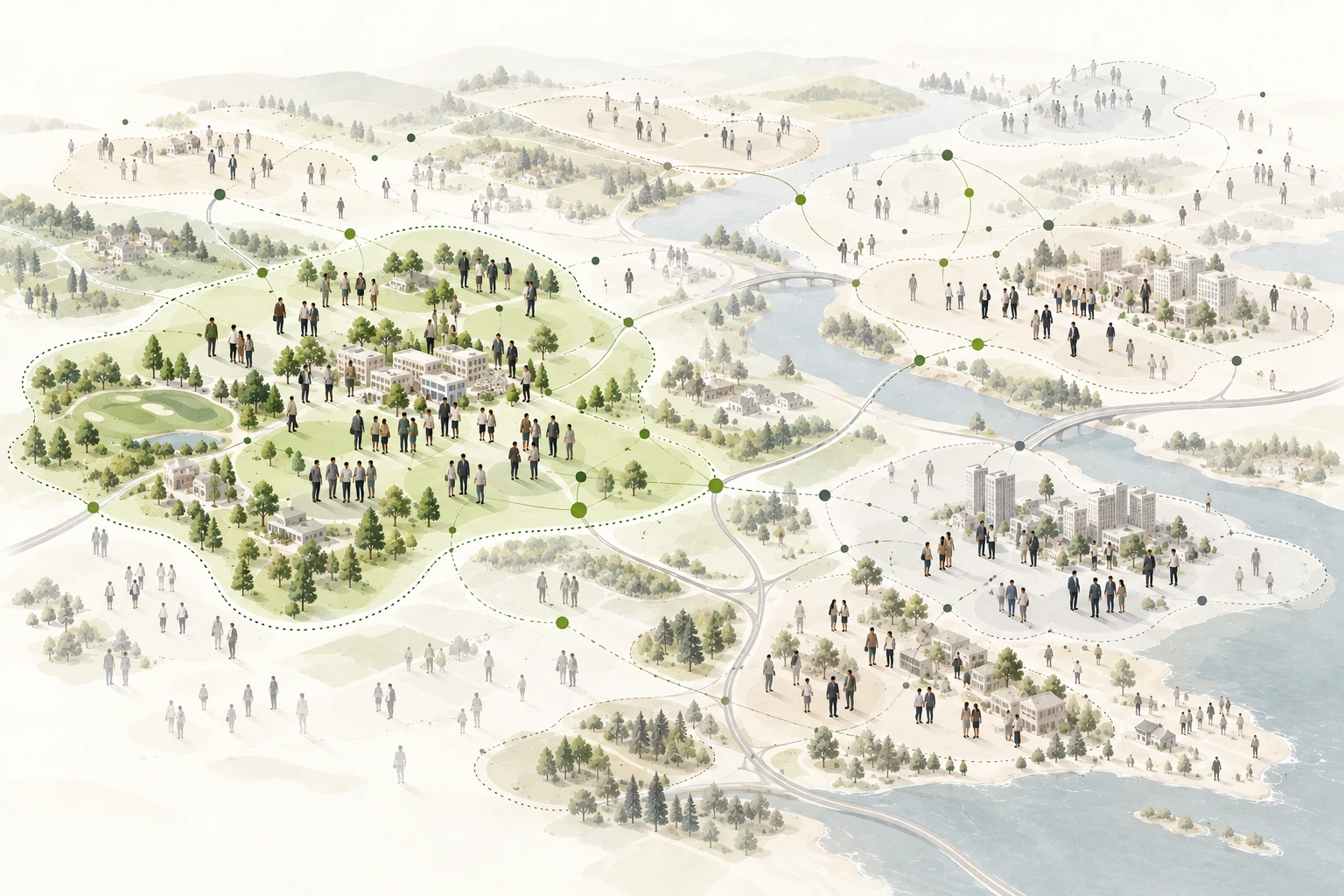
Once a business understands which customer relationships create value, the next question is obvious: where can it find more of them? The answer is rarely as simple as finding more people with the same demographics.

The same audience can create very different advertising opportunities depending on where, when and under what circumstances that audience is reached.

Customer data becomes much more valuable when you begin connecting it. It also becomes much easier to draw conclusions the evidence doesn’t support.

An audience does not have one universal commercial value. Its relevance depends on the relationship between the audience an opportunity can credibly demonstrate and the audience an advertiser wants to reach.

The phrase sounds straightforward. In practice, identifying a business’s best customers requires answering a more difficult question first: best at what?

Inventory assets, build sponsorship packages, calculate opportunity ratings, track advertisers, and develop pricing worksheets.

Learn how municipalities, business improvement districts, tourism organizations, parks departments, and economic development agencies can inventory, evaluate, package, price, and manage sponsorship opportunities while building sustainable community partnerships.

A practical guide to identifying, evaluating, packaging, and pricing advertising and sponsorship opportunities across a golf course.
Try a broader keyword or select a different category.
SIIQ helps organizations present advertising spaces and sponsorship opportunities to businesses looking for places to reach real-world audiences.